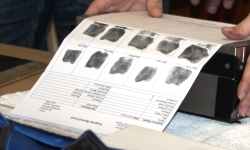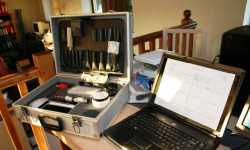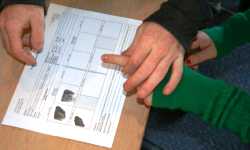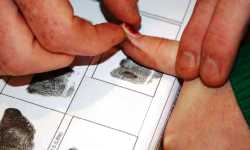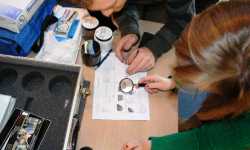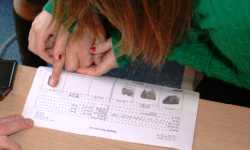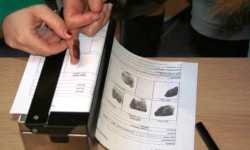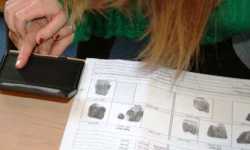
Fingerprint forensics in investigation to determine foolproof evidence of wrongdoing
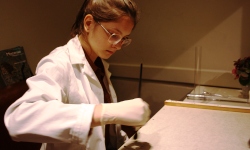
Fingerprints are a conclusive and irrefutable form of evidence. If an individual has touched an item - a door, computer, window, item of paper - and prints are left, detecting them through on-scene examination or laboratory work will condemn the perpetrator
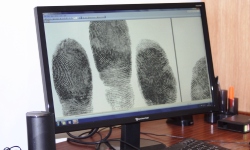
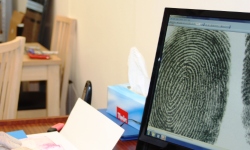
A fingerprint is a pattern of peaks and furrows in the outer layer of the skin (the epidermis). The shape of fingerprints is partly influenced by your genes but the patterns that make each fingerprint different are thought to be formed in response to movements of the foetus within the mother’s womb. Thus even identical twins will have different fingerprints!
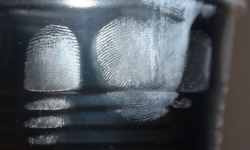
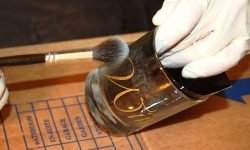
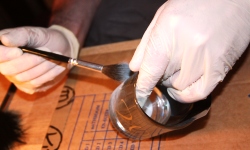
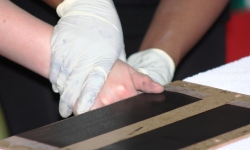
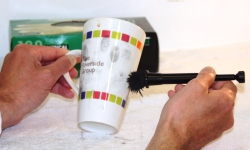
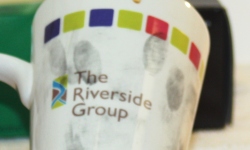
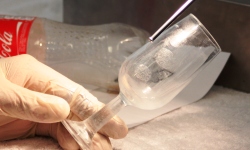
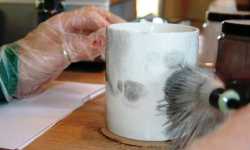
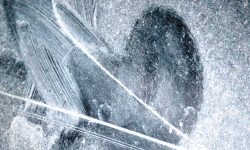
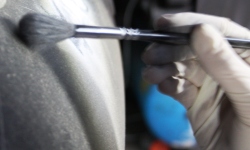
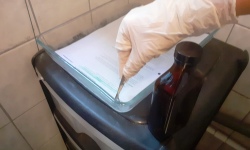
The ridges that form the fingerprint contain tiny pores that release sweat. This sweat can be deposited on a surface when the item is touched, leaving an invisible impression of the fingerprint. Such impressions are known as latent fingerprints and they can be made visible by treatment using powders and chemicals
The use of finger and palm prints as a means of identification was developed in India during the mid 19th Century, principally by a British officer in the Indian Civil Service - Sir William Herschel. He noted that fingerprints were unique and permanent and in the 1850’s began using them as a signature for contracts. Sir Edward Henry began to develop the use of fingerprints in criminal cases after formulating the Henry Classification System that enabled the searching of records according to fingerprint patterns
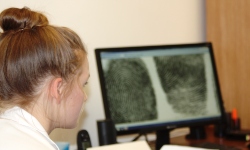
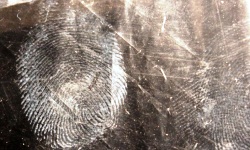
here are variations within each pattern and small characteristics of the ridges (called minutia) that individualise the print and enable a skilled fingerprint analyst to visually match an unknown fingerprint with that of the suspected
To make an appointment please call us:
London: 020 7158 0332
Surrey: 01483 200999
Hants: 02380 308274
or email info@private-detectives.co.uk
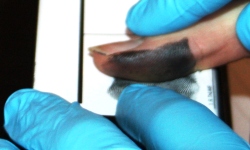
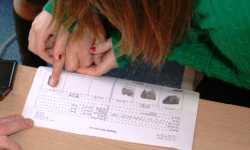
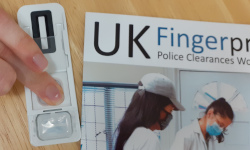
Recording Fingerprints for police clearance in many countries
Using fingerprinting as a part of wider investigation in resolving company issues

The science of fingerprinting applied to a client's private problems, dealt with discreetly

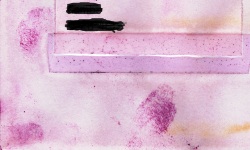
Who sent you hate mail? Using fingerprint examination to identify the culprit and bring a halt to malicious mailing
Fingerprint drug testing service - we will visit your premises and discreetly test employees and staff for illegal substances
Comparing two or more sets of handwriting to an original and identifying a person through handwriting characteristics from a match

Cloning a hard drive on which a forensic examination can be made, establishing a timeline and undeleting deleted files / images

A mobile phone is essentially a mini-computer which can be interrogated and forensically restored to rebuild lost or deleted data & messages